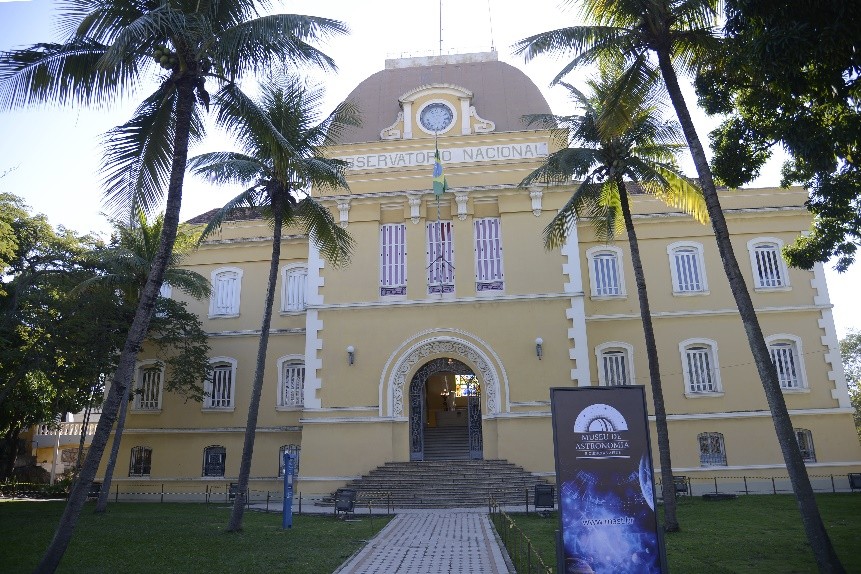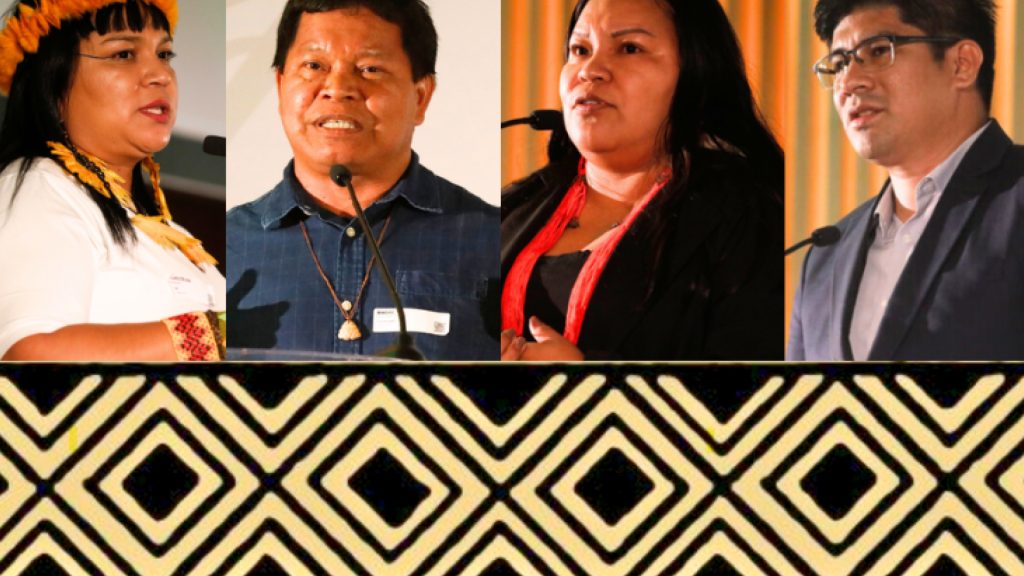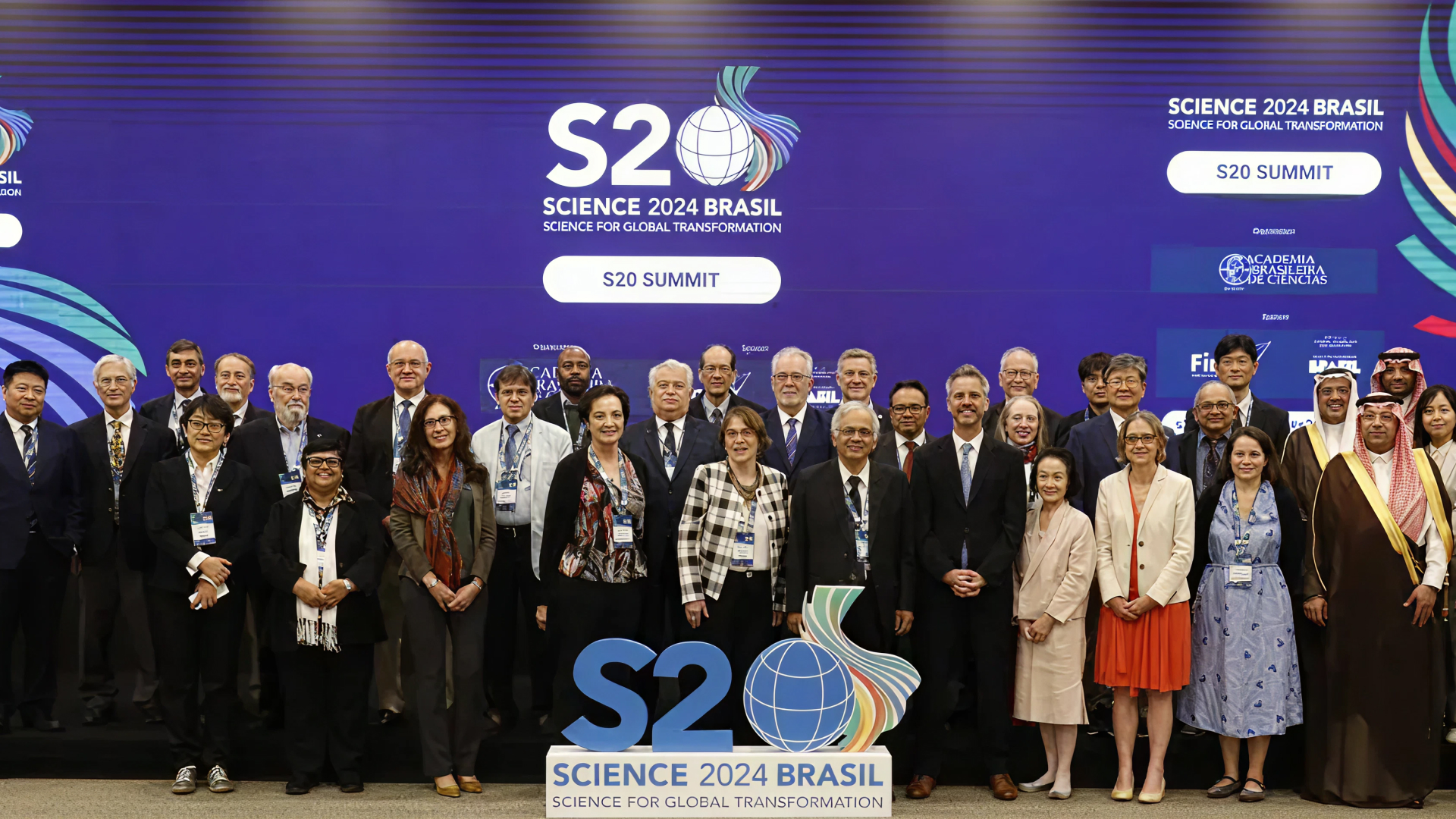
In 2024, the Brazilian Academy of Sciences (ABC) organized the eighth edition of Science20 (S20), the G20 Science and Technology engagement group, a forum that brings together the main industrialized and emerging countries on the planet. Made up of the academies of sciences of the bloc’s countries, the S20 aims to promote dialogue among the scientific community on critical issues and to provide recommendations, based on a consensus document, to the governments of the G20 countries.
Initiation Meeting
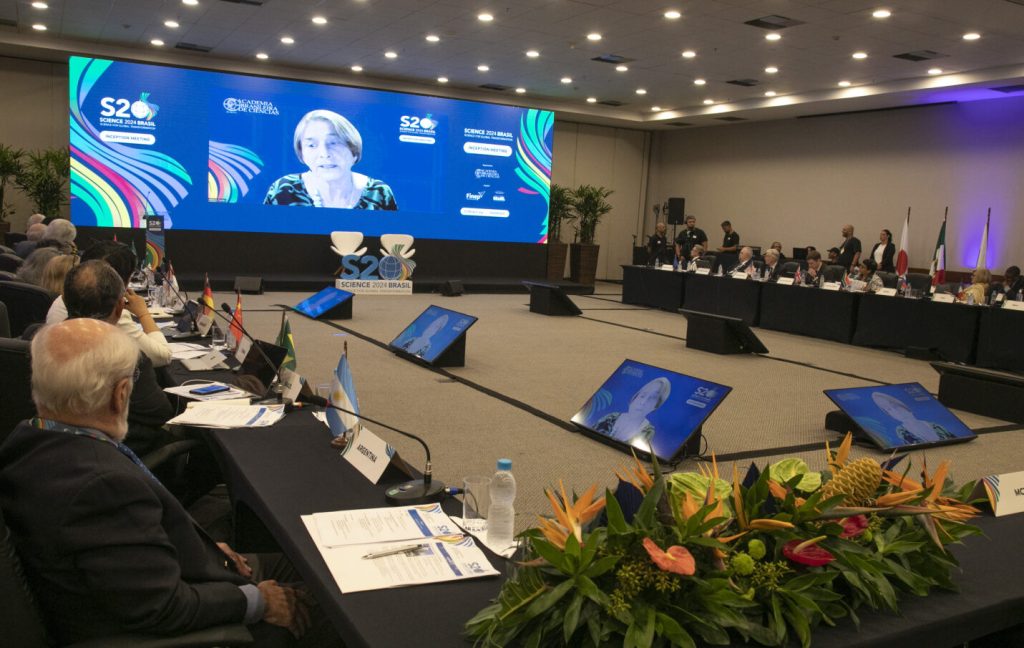
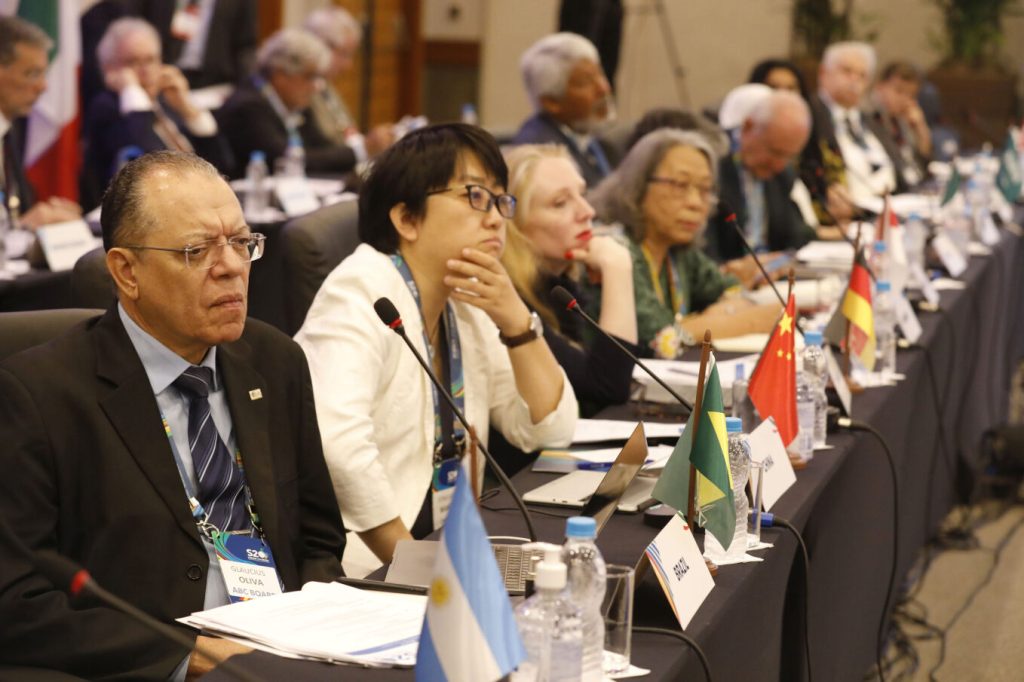
On March 11 and 12, the academies met to open the work of Science20 in 2024. The meeting in Rio de Janeiro was attended by representatives from all countries in the bloc, except Russia, South Korea and Japan – the latter two sent videos. This time, the meeting was also attended by the European Academy. International scientific institutions and regional networks of academies participated as observers.
The discussions of this first meeting revolved around the proposals made by ABC, which, as the host of S20, suggested five main themes: Artificial Intelligence; Bioeconomy; Energy Transition; Health and Social Justice.
- Artificial Intelligence
Perhaps the most current issue on the technological frontier, Artificial Intelligence (AI) was intensely debated during the two days. Developing countries have highlighted investment in infrastructure and technological capacity as crucial if the push for AI is not to createeven greater friction between rich and poor. Concerns have been expressed about a new kind of “digital colonialism,” where AIs developed by rich countries and fed mostly with data from the Global North create new forms of discrimination and domination. Open access, open data, and transparency mechanisms have been advocated as enablers for a more equitable development of these technologies.
Another recurring point was the impact of AIs on the labor market. Recently, the International Monetary Fund (IMF) declared that 40% of current jobs could be extinguished due to AI. At the same time, it was reminded that new technologies tend to create new jobs that were previously unimaginable.
The Chinese Academy of Sciences (CAS) has advocated a cautious AI model with humans at the center. Italy’s Accademia Nazionale dei Lincei has expressed concerns about AI in the arms industry. Other European representatives also recalled the environmental impacts generated by this technology. “The carbon footprint of AI is still small, but it is expected to grow exponentially. The establishment of global governance in AI should be considered,” suggested Francis André Wollman, vice president of the French academy.
- Bioeconomy
The issue of greater convergence among the countries present, the development of a bioeconomy, that is, a more sustainable economic model integrated with the Earth’s biological systems, was defended by all.
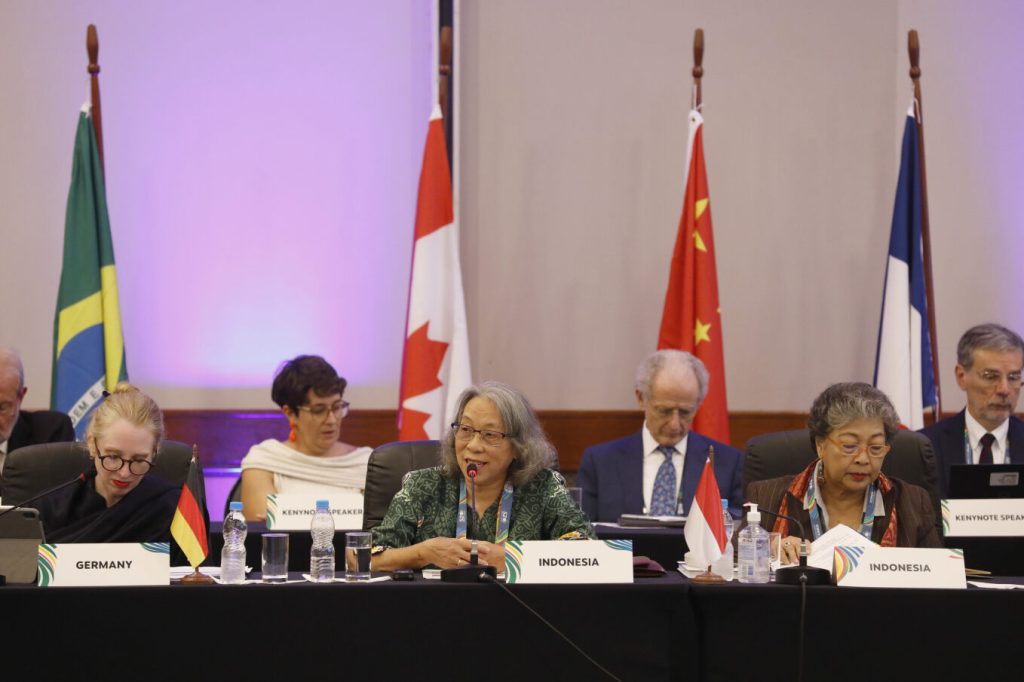
This process, the countries agree, should be done in a way that includes local populations. In this sense, some considerations have been made regarding the capacity and speed with which each country can adapt without sacrificing the well-being of its people. “There is no single recipe for each country to reach its bioeconomic potential,” summarized Yunita Winarto, from the Indonesian Academy of Sciences.
On a more specific point, Australia, Germany and Mexico signaled that aquaculture practices should have more space in discussions about the bioeconomy.
- Energy Transition
The imperative of climate change forces the world to seriously consider replacing fossil fuels with renewable energy. However, the global dependence on oil and coal makes this a point of much debate. Brazil is in a privileged position in the global context, since half of its energy matrix is clean, but it is an exception to the rule.
The majority advocate was for a transition to zero emissions, with some countries emphasizing the issue of energy justice as a crucial factor. The representative of King AbdulAziz University, from Saudi Arabia, criticized the total elimination of fossil fuels. The Chinese academy, on the other hand, stressed that the impacts of the transition must be considered along with the specificities of each country. In a practical example, the representative of the National Academy of Exact Physical Sciences and Naturales, of Argentina, addressed the mega gas field of Vaca Muerta, where the country has been increasing the extraction of natural gas and studying the prospecting of unconventional gases, such as the so-called blue hydrogen, which also pollutes the atmosphere.
Another point in which Brazil stands out is in the use of biofuels, such as ethanol. The country defended this alternative as one of the tools for the climate transition, which was followed by Australia. The representative of the French academy, on the other hand, criticized biofuels for competing for space with food production. On another issue, China, France, Mexico and the United Kingdom defended nuclear energy as indispensable for the energy transition.
- Health
There was a unanimous defense of the concept of One Health, in which human health is understood together with the health of the environment. The holistic approach to health was a key focus of the Indian presidency in S20 in 2023, and its representatives highlighted this approach in their considerations. A variety of topics were raised, such as population aging, which most G20 countries face, and the impact of climate change on human health.
- Social Justice
Within the fifth theme proposed by Brazil, one of the key challenges is the fight against poverty. Countries were unanimous in defending the social sciences as essential to these efforts and addressed various faces of global inequality, such as disparity in access to energy, education, internet, food, and water.
On more specific topics, the representative of the Turkish academy criticized the global scientific community for, in his view, “not addressing the humanitarian tragedy in Gaza.” The representative of the Argentine academy expressed great concern about what he called “total uncertainty” about the funding of research and public universities in the new government of his country, and thanked ABC for the demonstration in support of the scientific community of his country.
S20 Summit
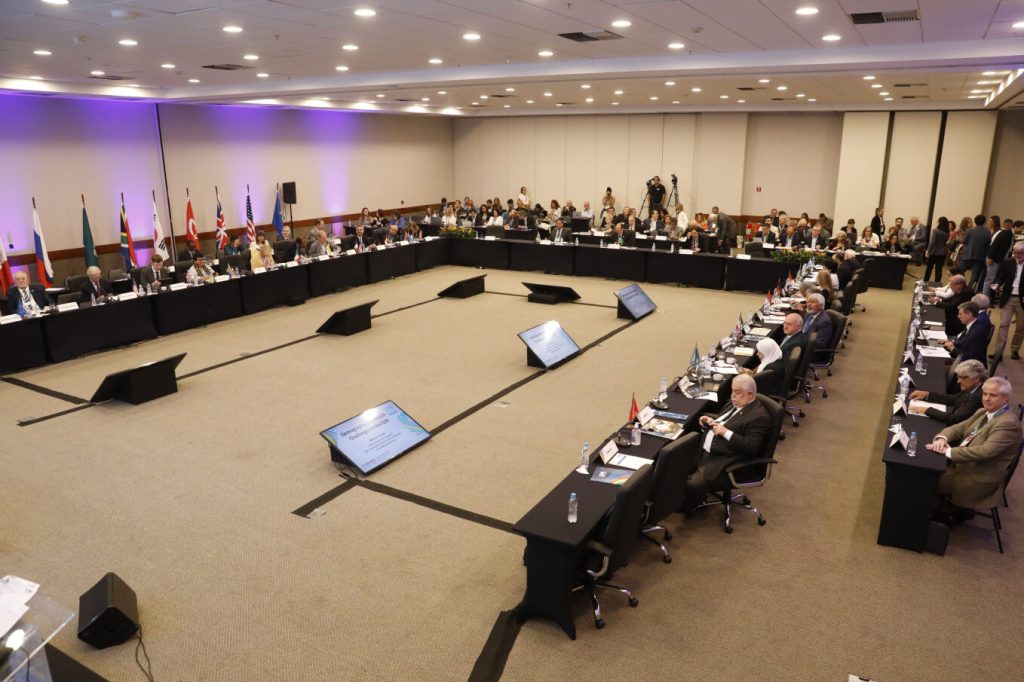
On July 1st and 2nd, the Science20 Summit met in Rio de Janeiro. The meeting formulated the basis of the group’s official communiqué, addressed to the G20 Summit.
- Access the final document:
S20 Official Communiqué: Science for World Transformation
- Links to ABC’s stories about the S20 2024:
- Link to the playlist with all the broadcasts on YouTube: