Timeline
Since 1916, the Brazilian Academy of Sciences has promoted events, established international partnerships, and recognized outstanding scientists. Its timeline brings together historical milestones, events, and presidents that help tell the story of the institution.
AN INSTITUTION TO PROMOTE BRAZILIAN SCIENCE
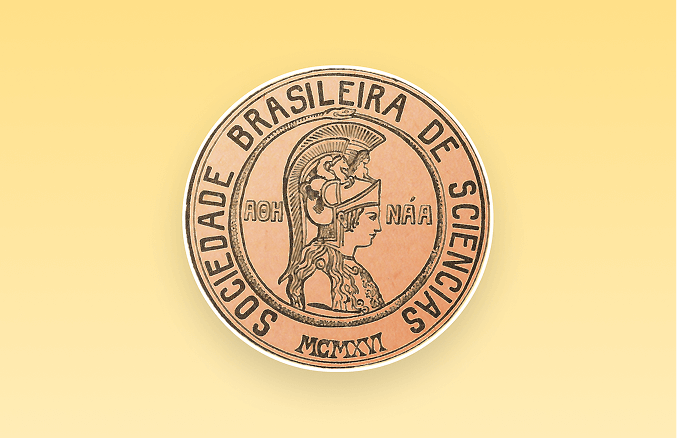
Foundation of the Brazilian Society of Sciences at the Polytechnic School of Rio de Janeiro.
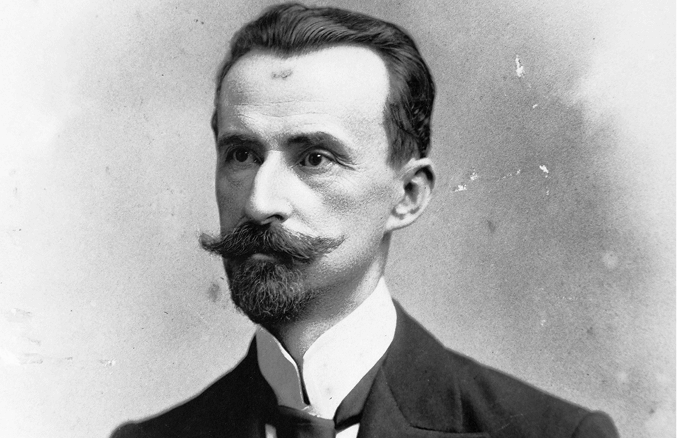 Acervo ABC
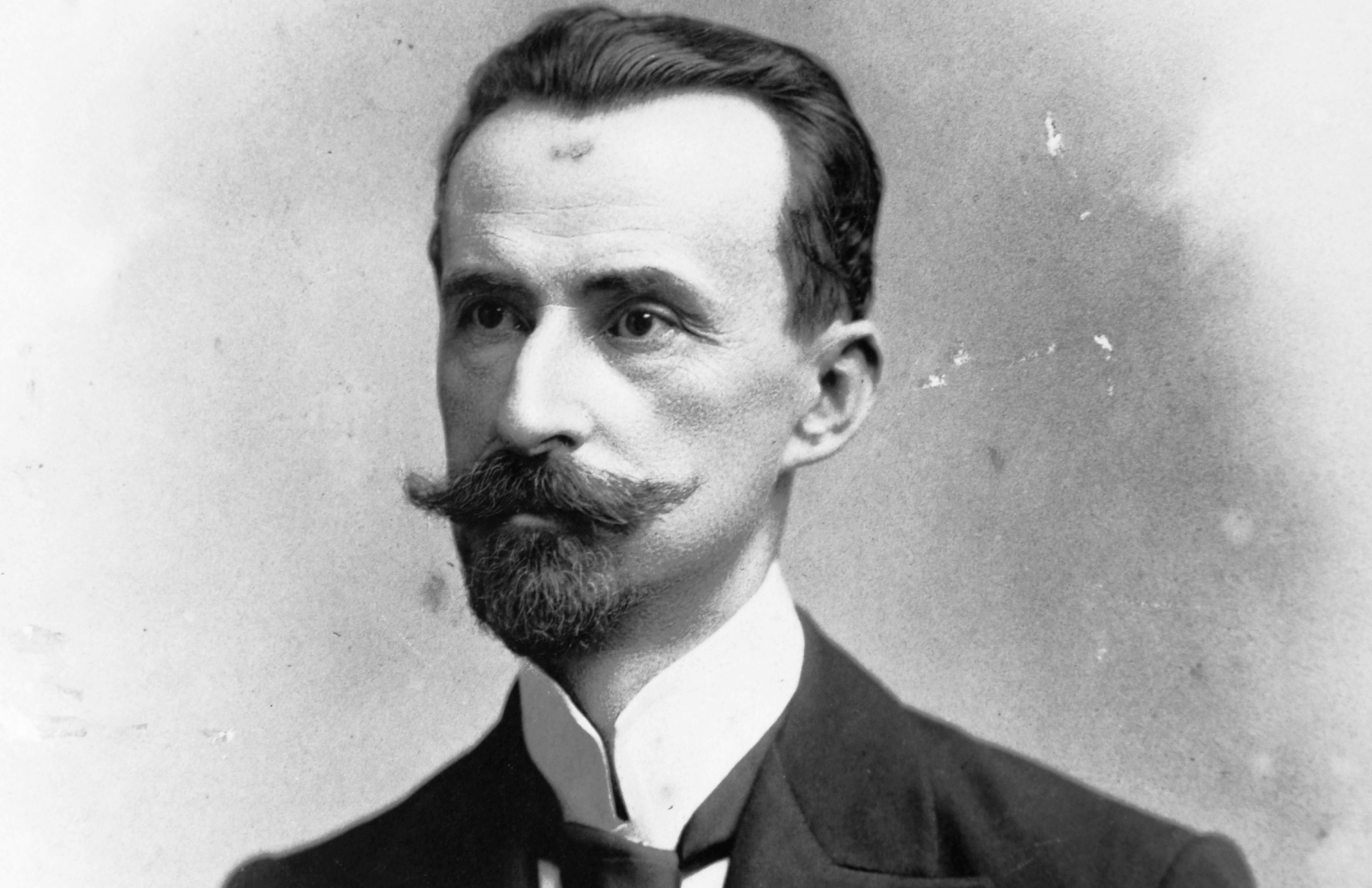
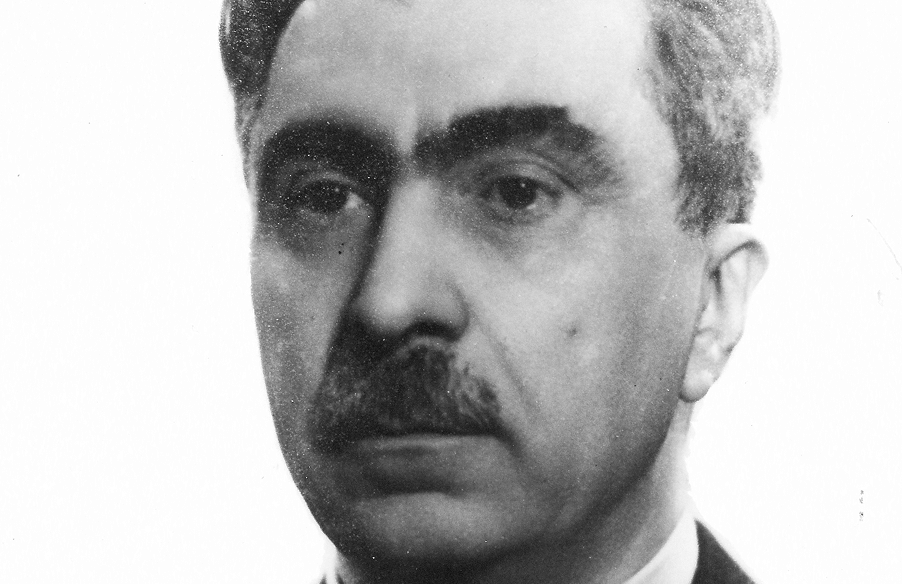
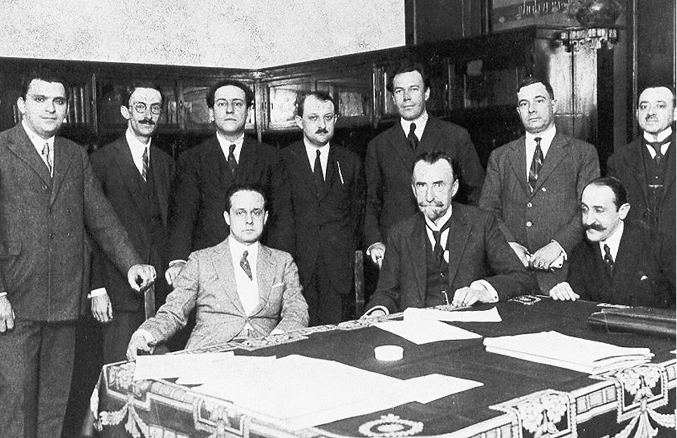
Inauguration of the first board of directors, chaired by Henrique Morize.
 Acervo ABC
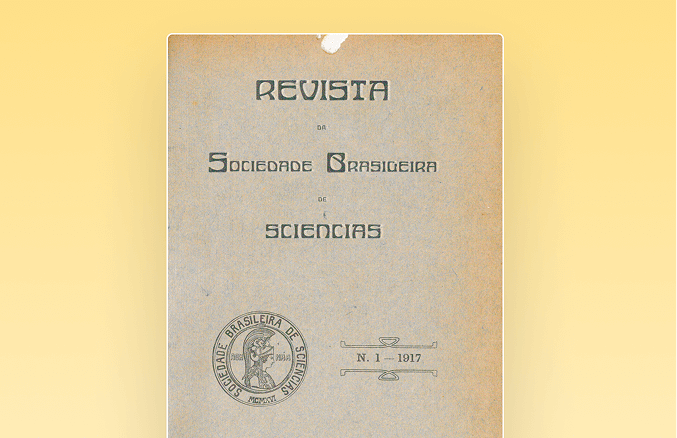
Creation of the Journal of the Brazilian Society of Sciences.
 Acervo FBN
The Brazilian Society of Sciences changes its name to the Brazilian Academy of Sciences (ABC).
EXPANSION AND CONSOLIDATION OF THE ABC
 Acervo Roquette-Pinto – ABL
Roquette-Pinto leads the creation of Rádio Sociedade, which operates at ABC.
ABC advocates for freedom of access to wireless telephony, a process that fosters radio communication.
 Augusto Malta – Acervo MIS RJ
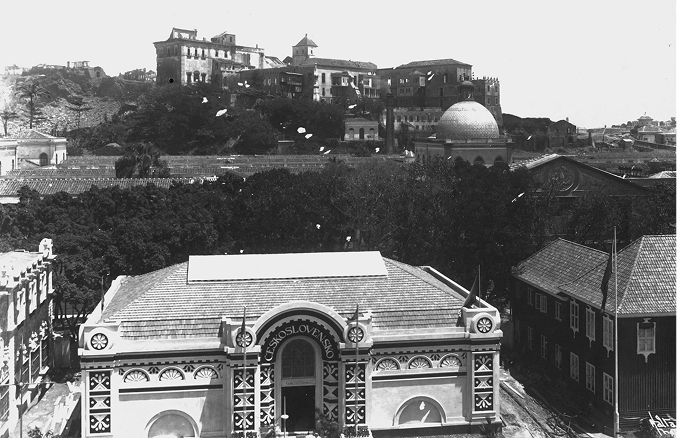
ABC gains a new headquarters: the Czechoslovak Pavilion, built for the Centennial International Exposition of Independence, in Rio de Janeiro, in 1922.
Members of ABC participate in the founding of the Brazilian Society of Education, now the Brazilian Association of Education (ABE).
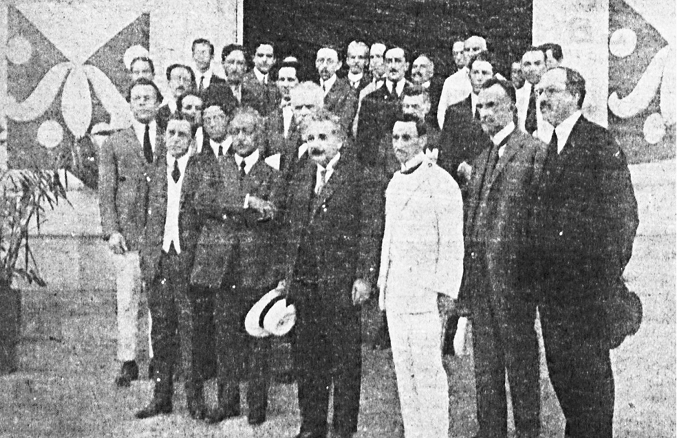 Careta, 16/5/1925 – Acervo FBN
Albert Einstein, author of the theory of relativity, gives a lecture at ABC. He becomes a corresponding member
of the Academy.
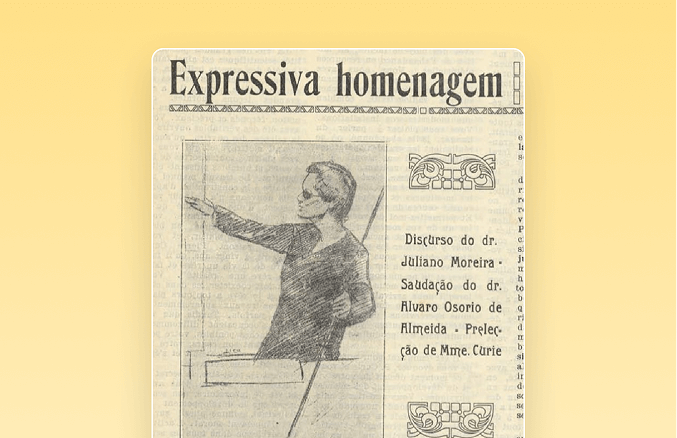 Reprodução
Marie Curie, winner of two Nobel Prizes, gives a lecture at ABC. She becomes the first female corresponding member of the Academy.
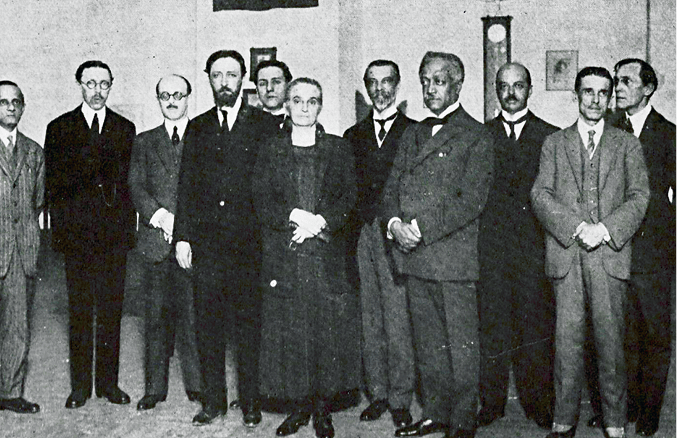 Careta, 16/11/1926 – Acervo FBN
Emília Snethlage (center), a German zoologist who had lived in Brazil since 1905, also becomes a corresponding member
of the ABC.
ABC has its first international performance, representing Brazil at a meeting of the
International Research Council, in Belgium.
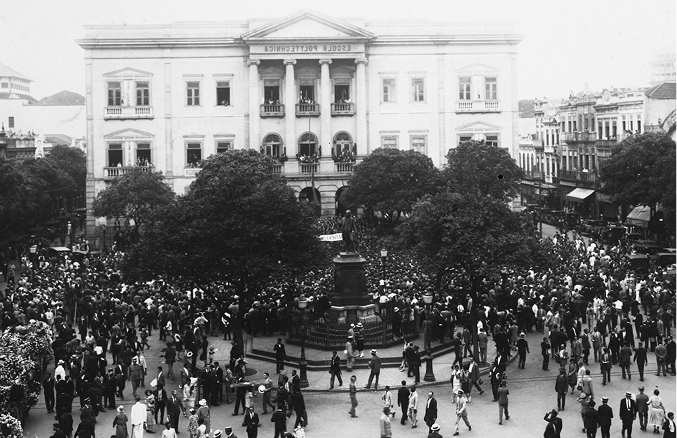 Augusto Malta – Acervo MIS RJ
Return of ABC to the Polytechnic School.
Publication of the first issue of the Annals of the Brazilian Academy of Sciences.
INTERACTION BETWEEN SCIENCE AND EDUCATION
 Acervo FBN
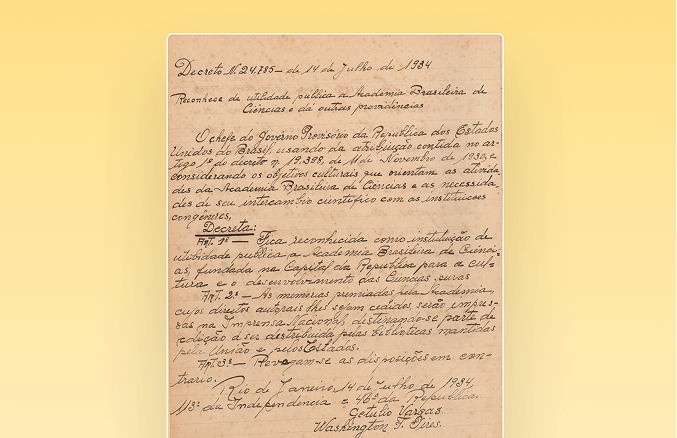
By decree of São Paulo (USP). July 14, ABC is recognized by the head of the provisional government, Getúlio Vargas, as an institution of public utility.
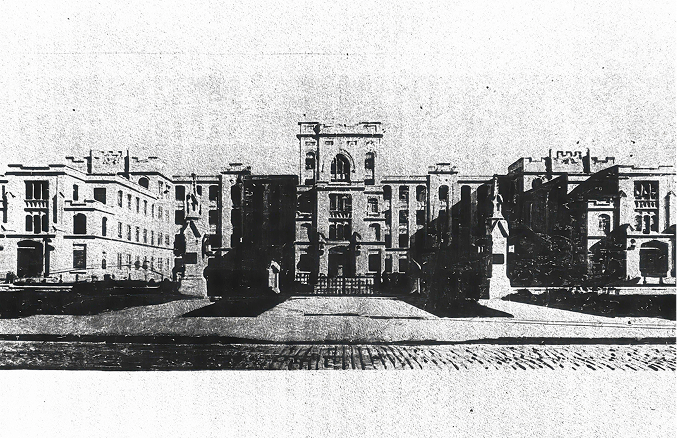 Acervo Memória USP
Academic Teodoro Ramos plays a relevant role in the founding of the University of São Paulo (USP).
Members of ABC participate in the creation of the University of the Federal District (UDF). In the photo, two of them: Joaquim Costa Ribeiro and Lauro Travassos.
 Arquivo Roquette Pinto – Acervo ABL
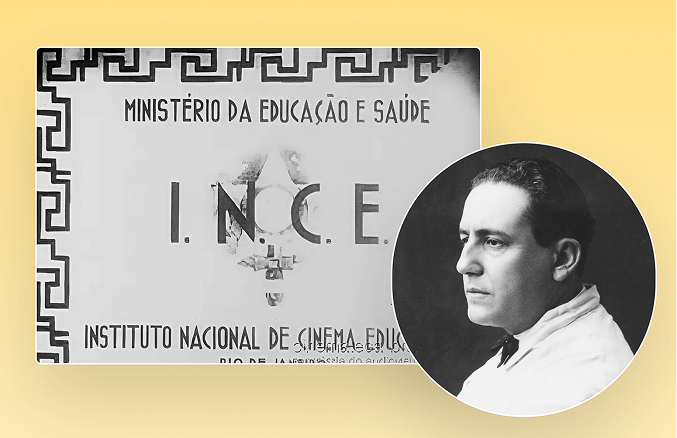
Roquette-Pinto creates and directs the National Institute of Educational Cinema.
 Acervo FBN
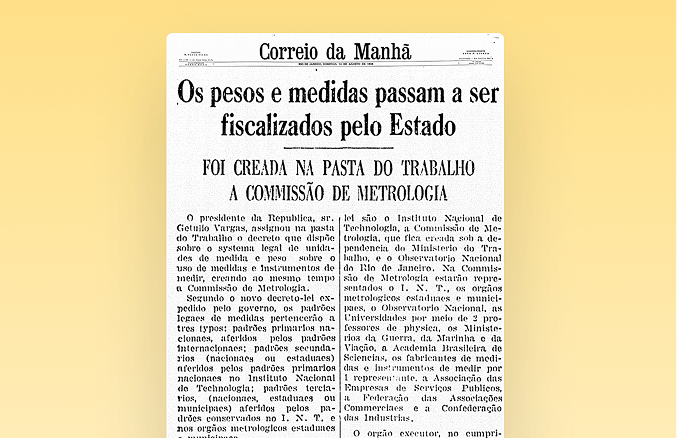
ABC participates in the Metrology Commission, at the national level.
 Acervo FBN
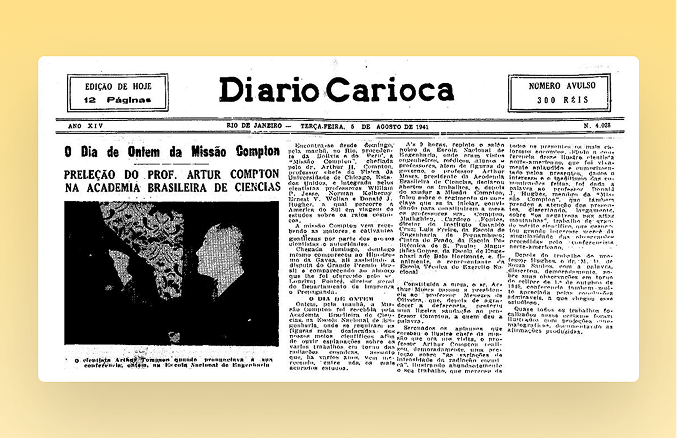
ABC sponsors the International Symposium on Cosmic Rays, with the participation of Nobel Prize winner in Physics Arthur Compton.
 Acervo ABC
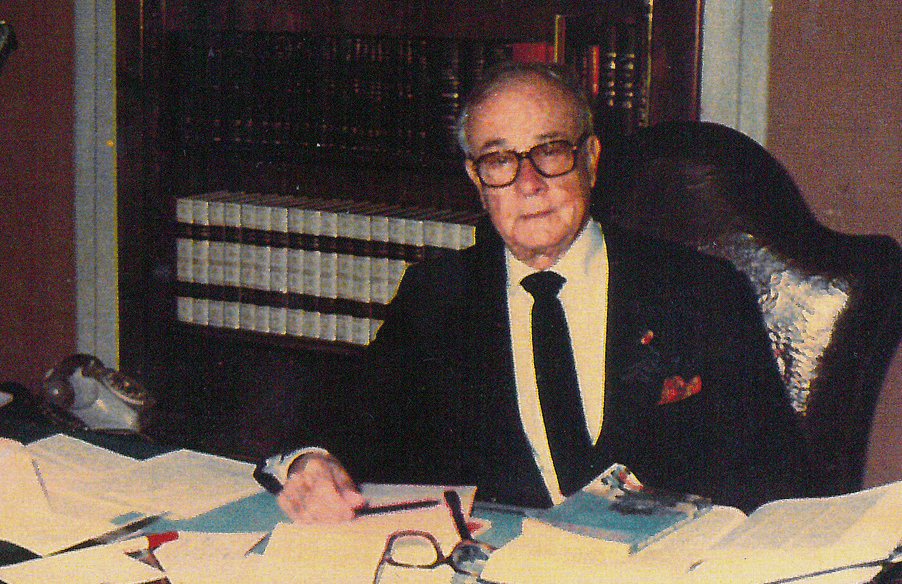
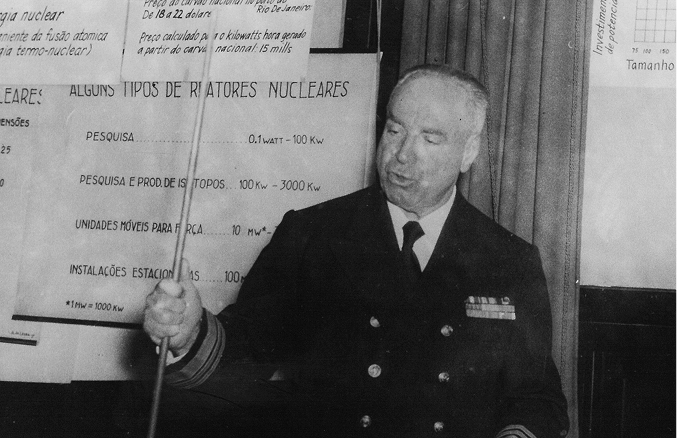
After the atomic bombs were dropped on Hiroshima and Nagasaki, in Japan, ABC organizes public debates and publishes a manifesto on the use of atomic energy. In the photo, Admiral Álvaro Alberto at ABC.
INSTITUTIONALIZATION OF NATIONAL SCIENCE
 Acervo SBPC
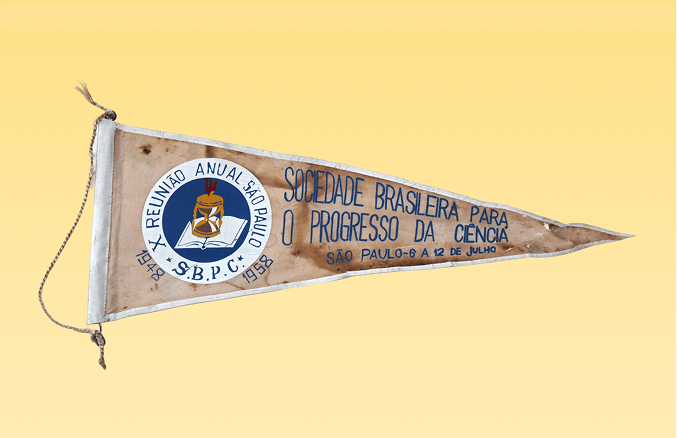
Several Academics participate in the creation of the Brazilian Society for the Advancement of Science (SBPC).
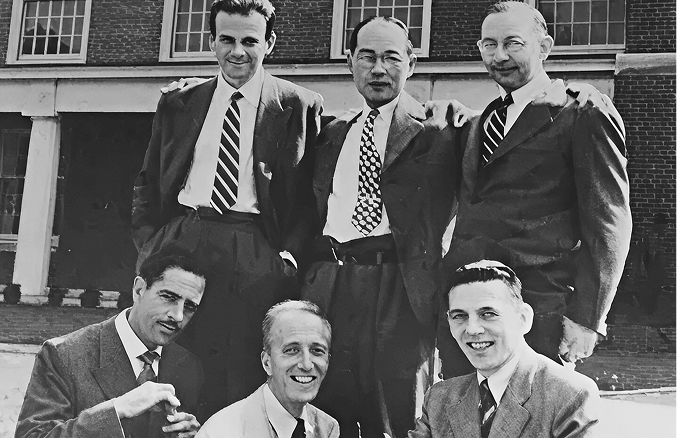 Acervo CBPF
The Brazilian Center for Physics Research (CBPF) is founded by several Academics. In the photo: in the back, César Lattes, Hideki Yukawa and Walter Schutzer. In the front, Hervásio de Carvalho, José Leite Lopes and Jayme Tiomno. Lattes, Tiomno, Leite and Hervásio are founders of CBPF.
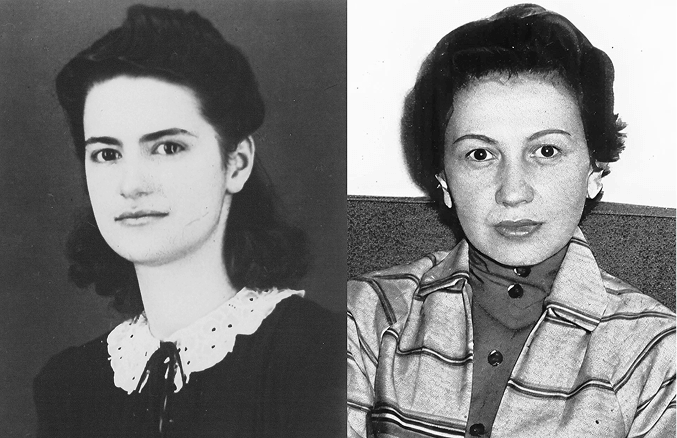 Arquivo pessoal
ABC receives its first Brazilian associates: the mathematicians Maria Laura Mouzinho (left) and Marília Chaves Peixoto.
At the proposal of Academic Álvaro Alberto da Motta e Silva, the National Research Council (CNPq) is created.
The National Campaign for the Improvement of Higher Education Personnel (Capes) was also created, with the participation of ABC members.
Founded, with the participation of ABC members, the National Institute for Amazon Research (Inpa), the Institute for Radioactive Research (IPR) and the Institute for Pure and Applied Mathematics (Impa).
 Acervo FBN
The National Nuclear Energy Commission (CNEN) was established, integrated, among others, by members of the Academy.
 Acervo ABC
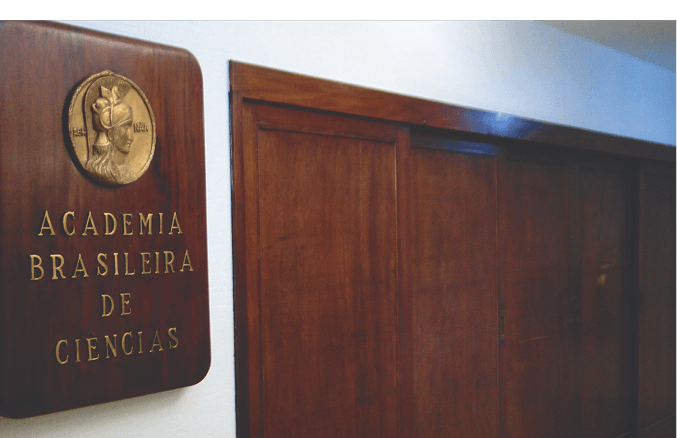
ABC occupies its new headquarters on Anfilófio de Carvalho Street, in the center of Rio de Janeiro, with resources from the government of President Juscelino Kubitschek.
 Creative Commons
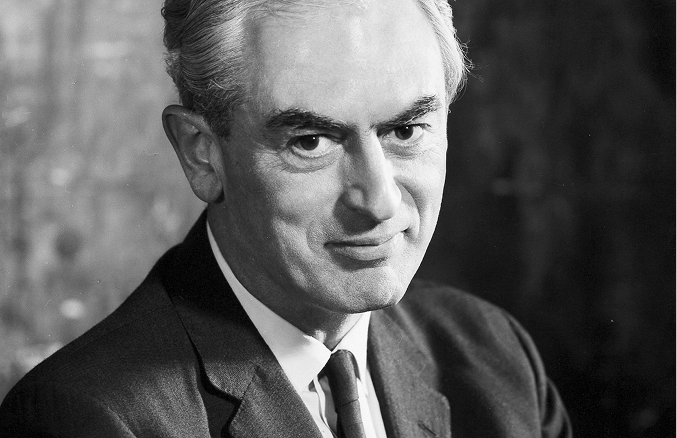
Nobel Prize winner Peter Medawar, born in Brazil and based in England, visits ABC.
Several Academics contributed to the creation of the National Institute for Space Research (INPE).
 Acervo FBN
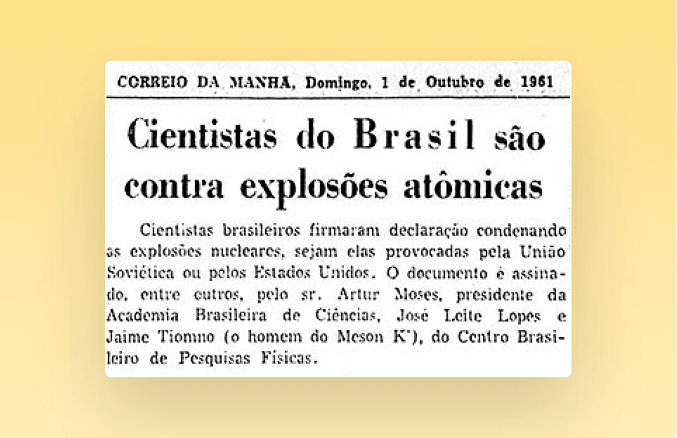
President Arthur Moses, with other Academics and Brazilian scientists, signs a manifesto condemning nuclear explosions.
Science for development
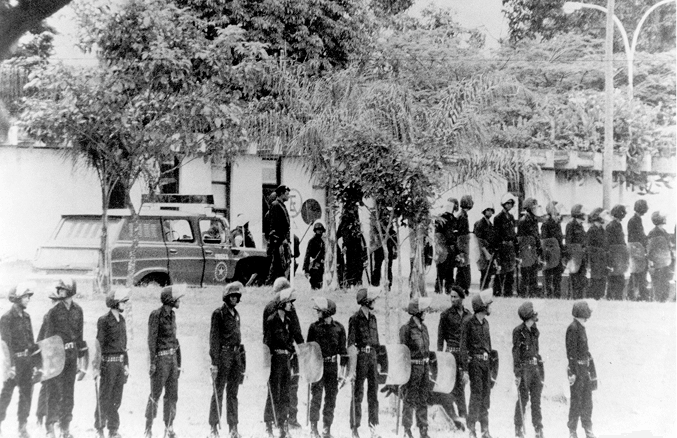 Arquivo Central – UnB
The president of ABC, Carlos Chagas Filho, expresses apprehension
regarding the invasion of the University of Brasília (UnB) by the military, in a telegram to President Castelo Branco.
At the celebration of ABC’s 50th anniversary, President Castelo Branco donates Readjustable National Treasury Bonds to the institution, in the amount equivalent to US$1 million. As part of the celebrations of ABC’s 50th anniversary, Vice-President Paschoal Senise conducts the first regular session of the Academy in the city at USP.
Institutional Act No. 5 (AI-5) punishes several Academics. Throughout the military regime, around 50 members of ABC were affected by dictatorial actions.
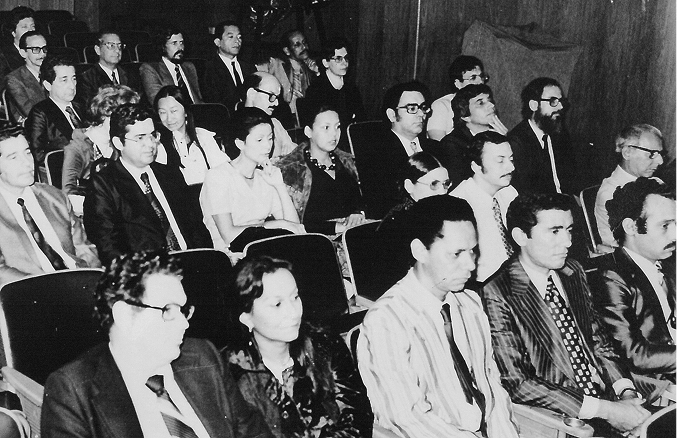 Acervo ABC
First Brazilian Symposium of Paleontology, at ABC headquarters, brings together researchers from Latin America.
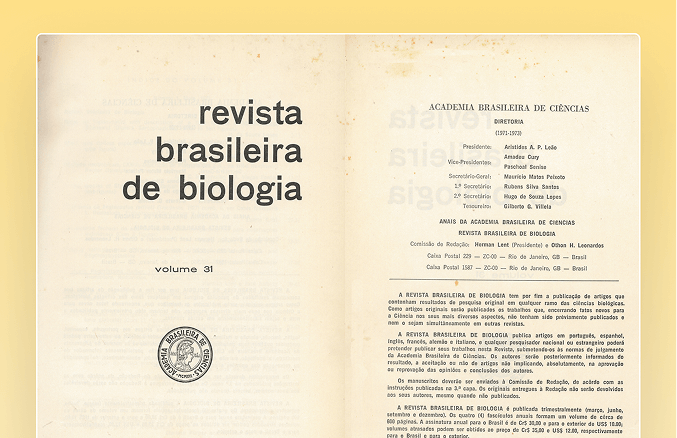 Acervo ABC
ABC takes over the Brazilian Journal of Biology, created in 1940 by the Brazilian Society of Biology, focusing on neotropical fauna and flora.
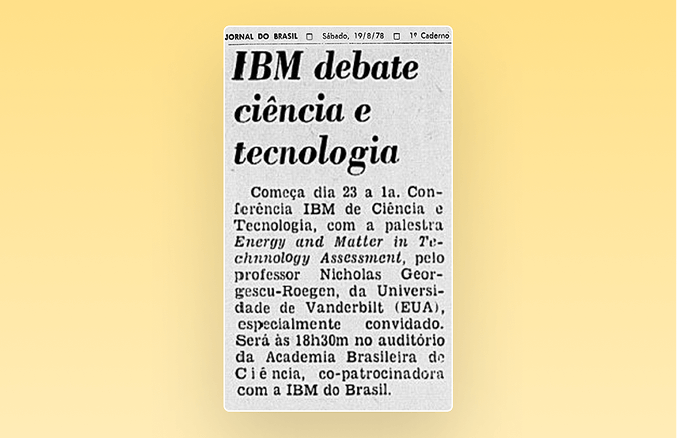 Acervo jornal do brasil
First IBM Conference on Science and Technology, a series
that promotes interaction between academia and industry, with the participation of foreign scientists.
From Brazil to the world
Installation, at ABC, of the National Commission of the International Geosphere-Biosphere Program, destined to study environmental changes on the planet.
 Acervo ABC
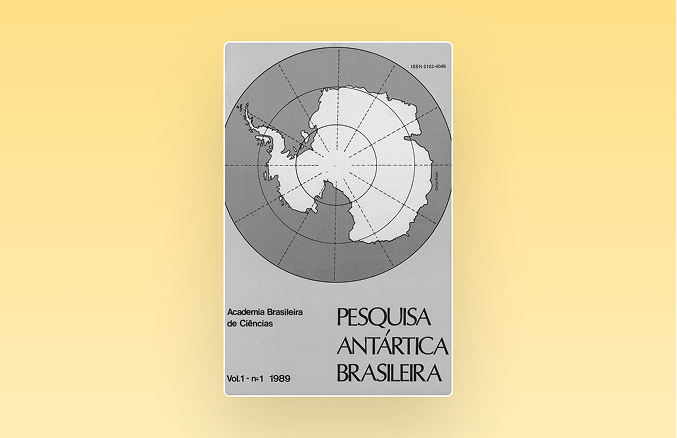
Creation of the Brazilian Antarctic Research magazine, published by ABC, to disseminate the results of the Brazilian Antarctic Program (Proantar).
ABC is designated by CNPq as the national representative on the International Council for Science (ICSU).
Together with SBPC and UFRJ, ABC organizes RioCiência 92, an event parallel to the United Nations Eco 92 Conference.
ABC participates in the founding of the Inter-Academy Panel on International Issues, currently called the Global Network of Science Academies (IAP). Launch of the Academic Bulletin, ABC’s electronic newsletter, current ABC News.
FROM BRAZIL TO THE WORLD
 Acervo ABC
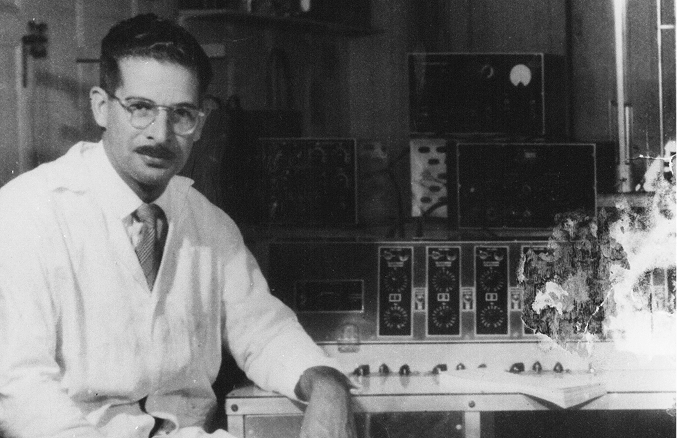
Creation of the Aristides Leão Program to Stimulate Scientific Vocations, which offers internships for students in Academics’ laboratories. It was reactivated in 2014, aimed at young people from the Amazon region.
 Arquivo pessoal
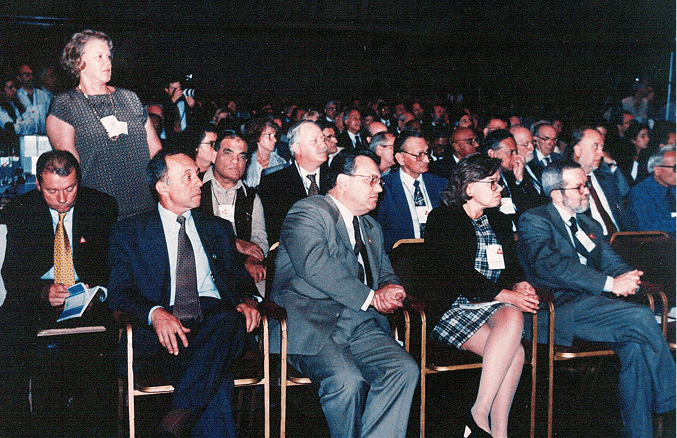
ABC promotes the holding of the 6th TWAS General Conference.
ABC assumes its current configuration: Mathematical Sciences, Physical Sciences, Chemical Sciences, Earth Sciences, Biological Sciences, Biomedical Sciences, Health Sciences, Agricultural Sciences, Engineering Sciences and Social Sciences.
Creation of the ABC in Scientific Education Program, in partnership with the French Academy of Sciences.
Foundation of the Inter-American Network of Academies of Sciences (Ianas), with Academic Hernan Chaimovich as its first president (2004 to 2010).
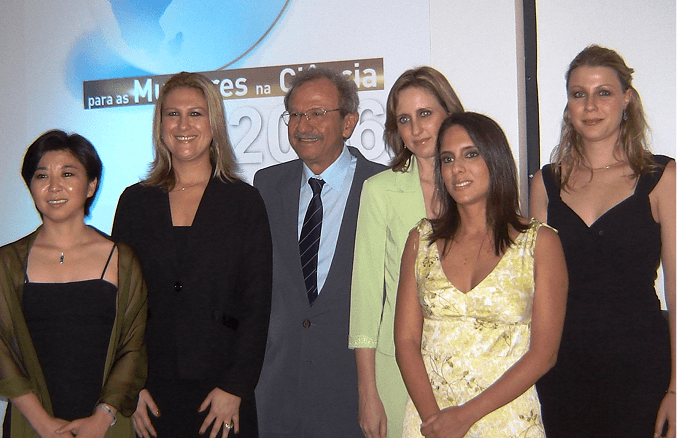 Acervo ABC
ABC, L’Oréal and Unesco create the Brazilian edition of the “For Women in Science” program, to award young researchers.
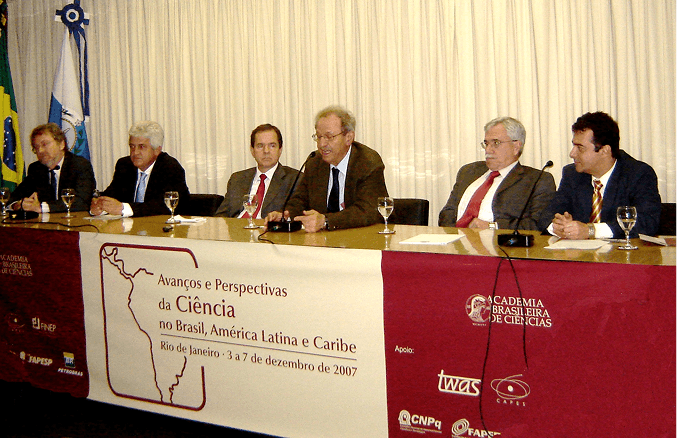 Acervo ABC
ABC promotes the first conference “Advances and Perspectives of Science in Brazil, Latin America and the Caribbean”.
Creation of six regional vice-presidencies and the category of young affiliated members, elected annually by region.

Geosciences Conference in Portuguese-Speaking Countries with the theme “A common past for a future of integration”. Sponsored by ABC, the activity celebrates the International Year of Planet Earth.
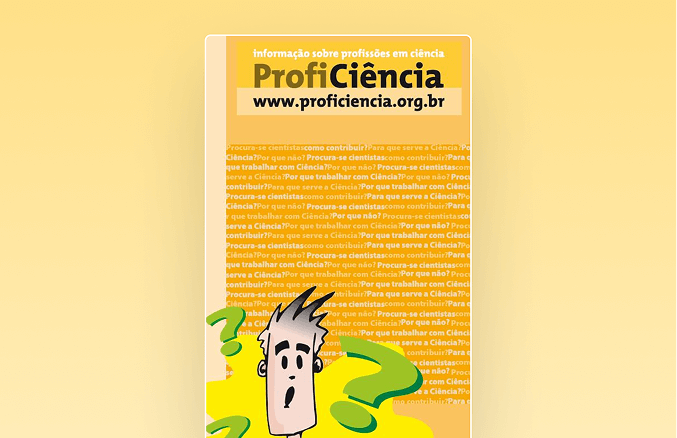 Arte: Sandra Frias
Launch of the ProfiCiência website, developed by ABC with support from Faperj, which informs young people about the possibilities of professional activity in the various areas of science.
 Arte: Pedro Armando
ABC hosts the VII Conference and General Assembly of the Global Network of Science Academies (IAP), which discusses the contribution of science to the eradication of poverty and sustainable development.
 WSF
WSF
ABC receives 500 scientists from more than 100 countries at the 6th World Science Forum, organized in conjunction with the Hungarian Academy of Sciences.
 Reprodução
ABC gains a new headquarters: three floors of a historic building donated by the government of the state of Rio de Janeiro to the Carlos Chagas Filho Foundation for Research Support of the State of Rio de Janeiro (Faperj). After renovation, it will become the headquarters of the Palace of Science.
 Acervo ABC
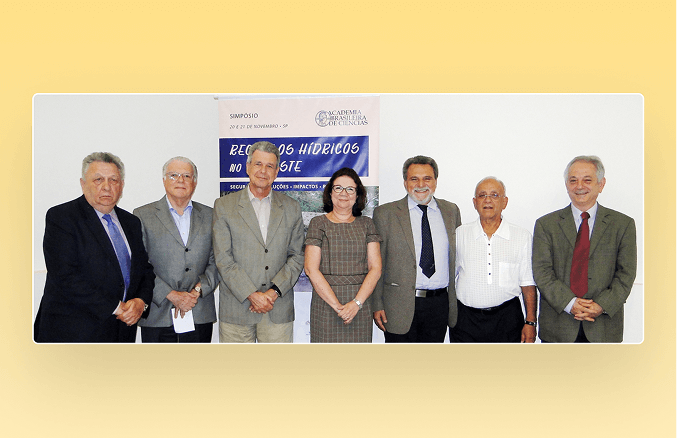
Holding of the symposium “Water Resources in the Southeast Region: Water Security, Risks, Impacts and Solutions”. In the photo, Academic and coordinator José Tundisi and participants of the event.
Magna Meeting of ABC, with the theme “The Value of Science”, addresses the intrinsic value of scientific activity and highlights its fundamental value for socioeconomic development and for overcoming crises.
ABC celebrates 100 years!